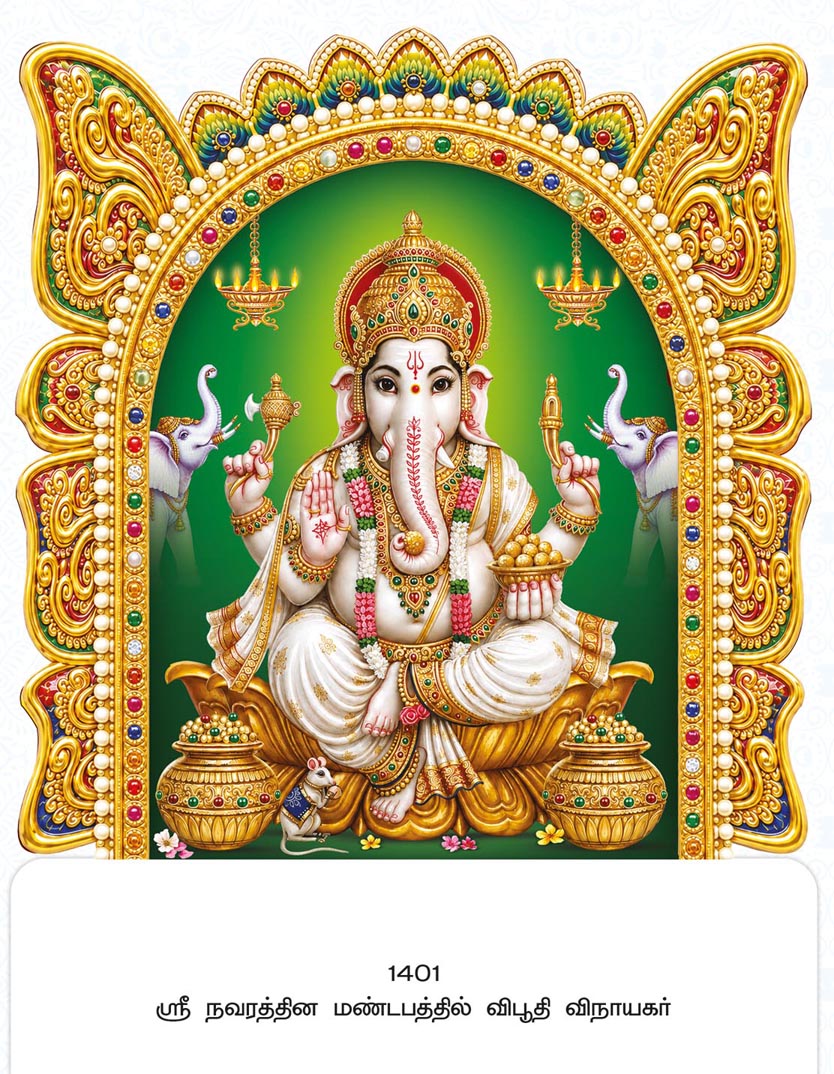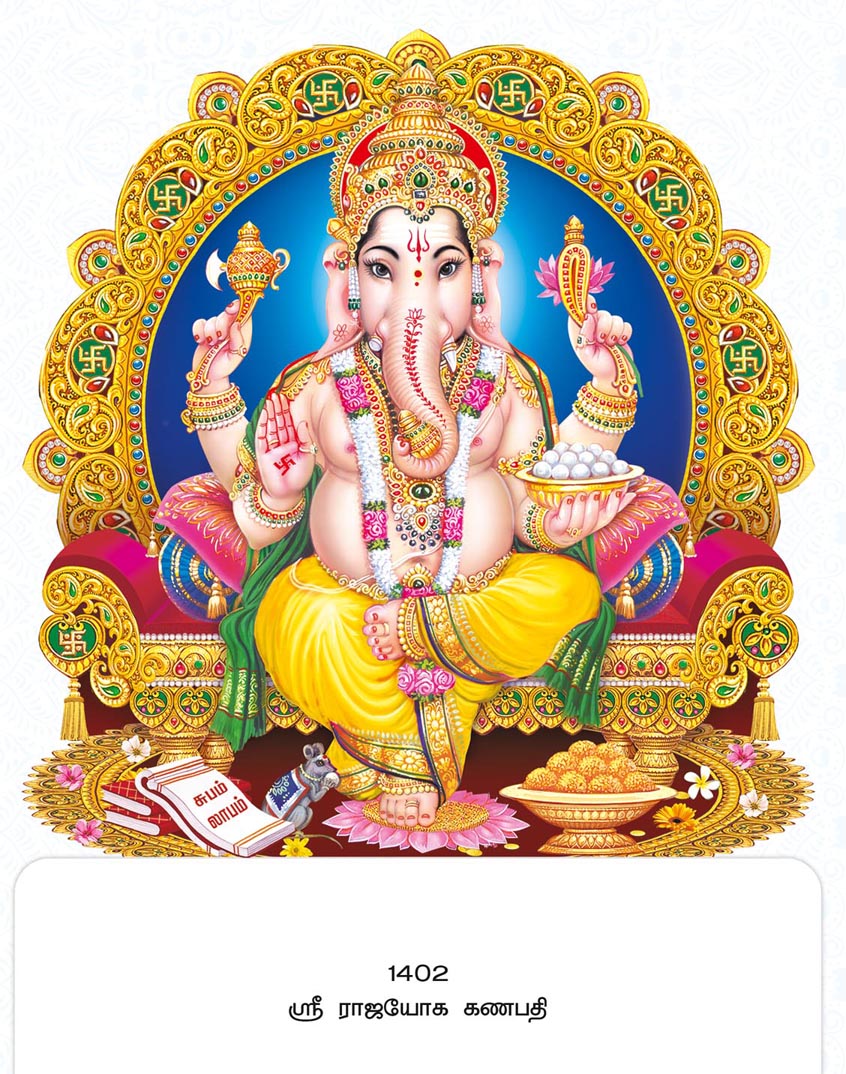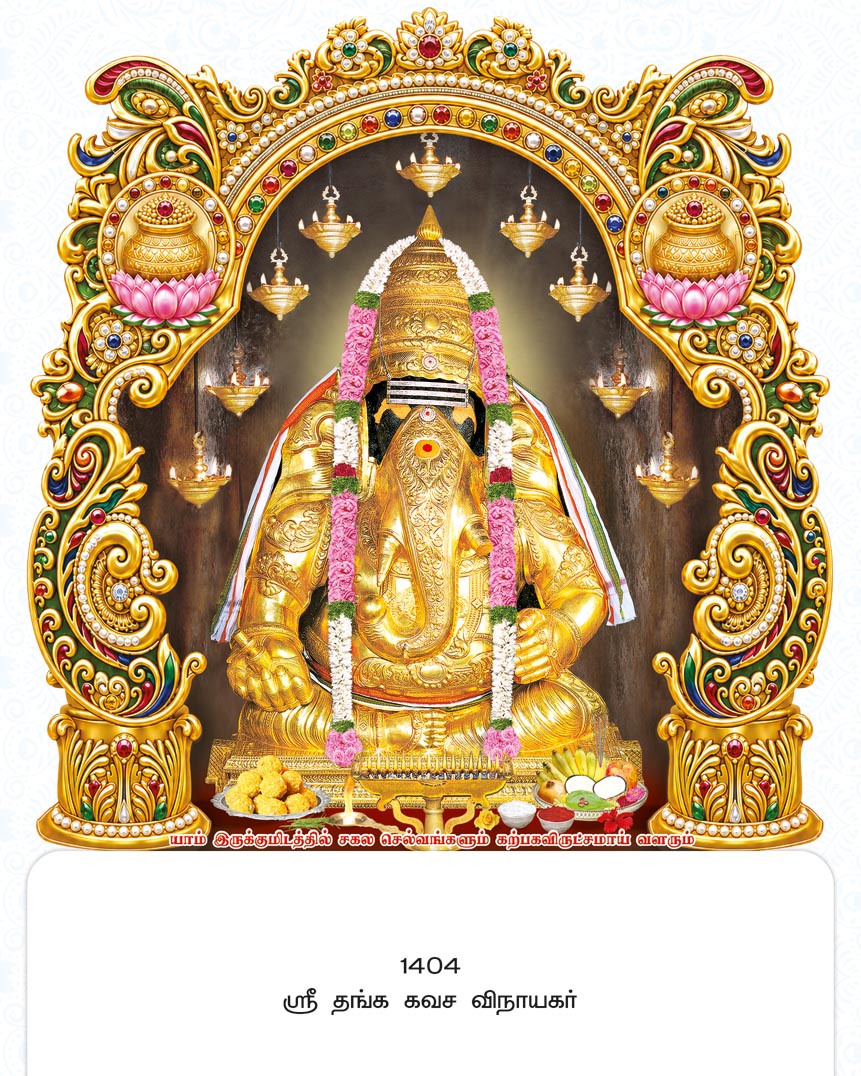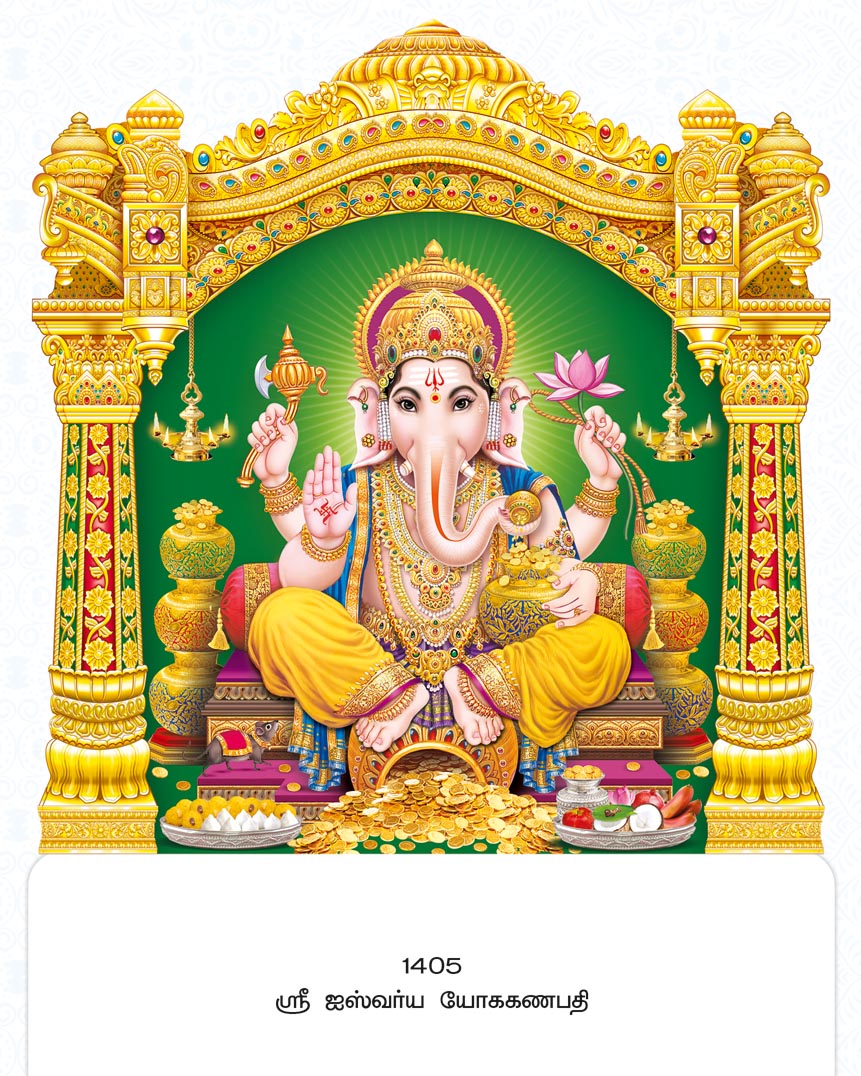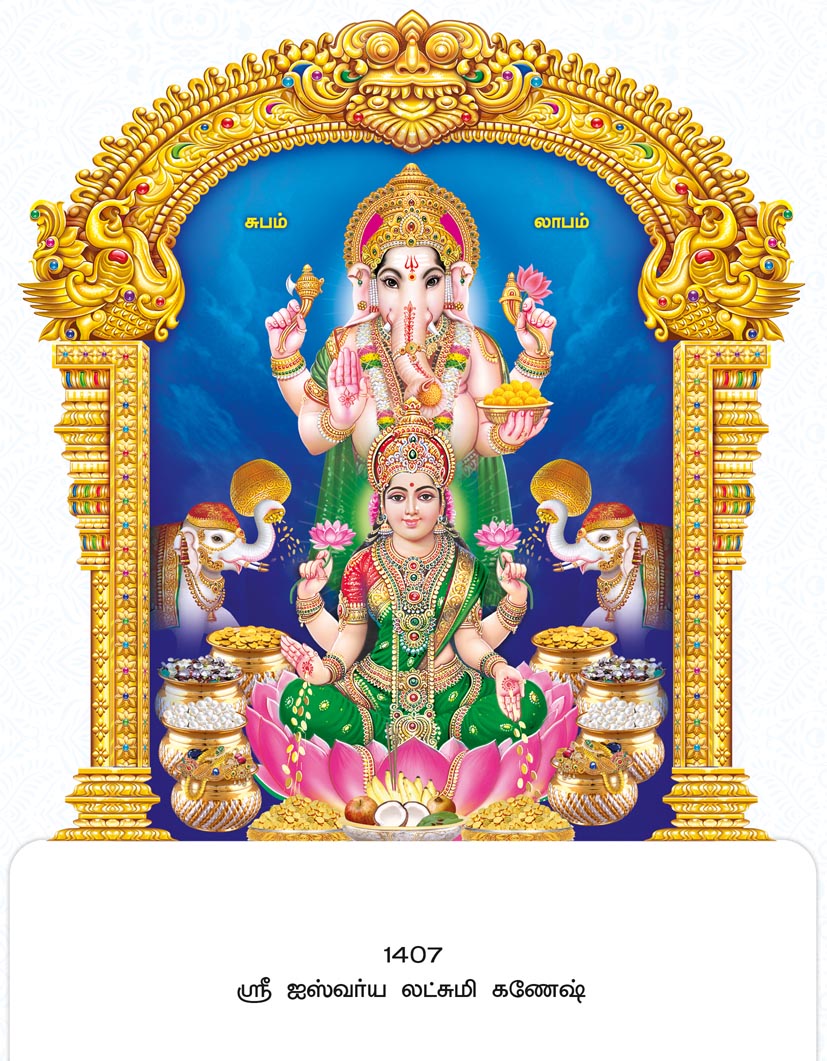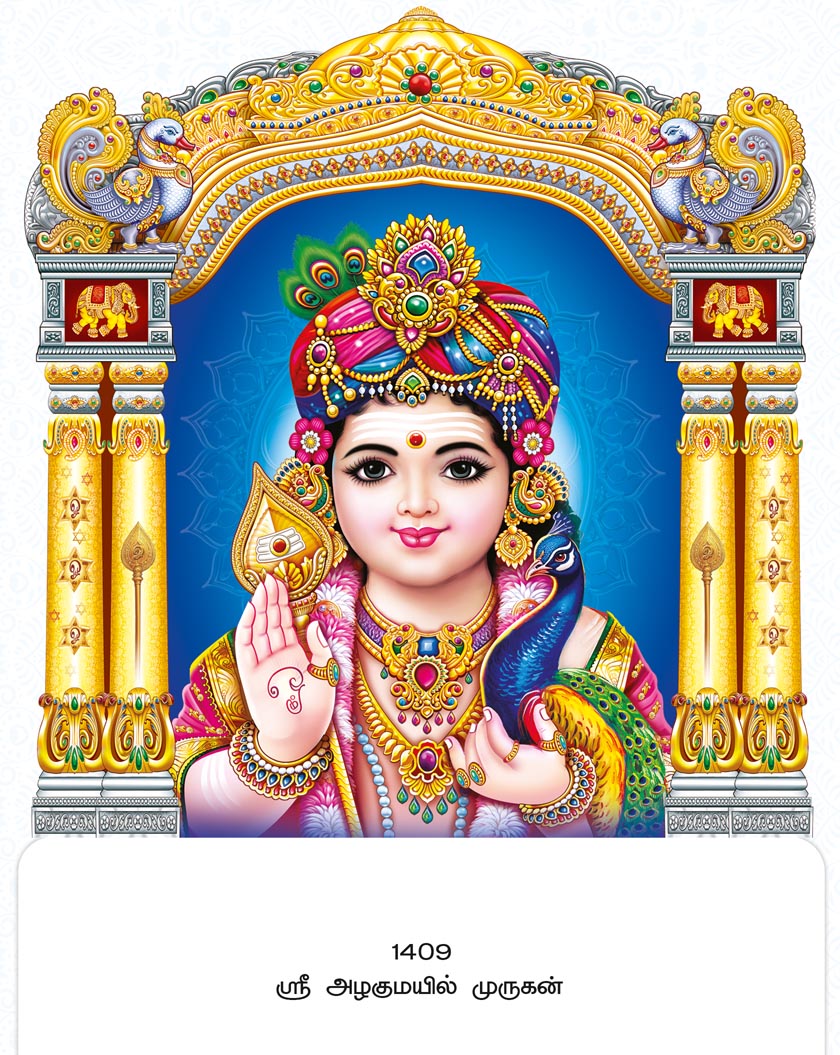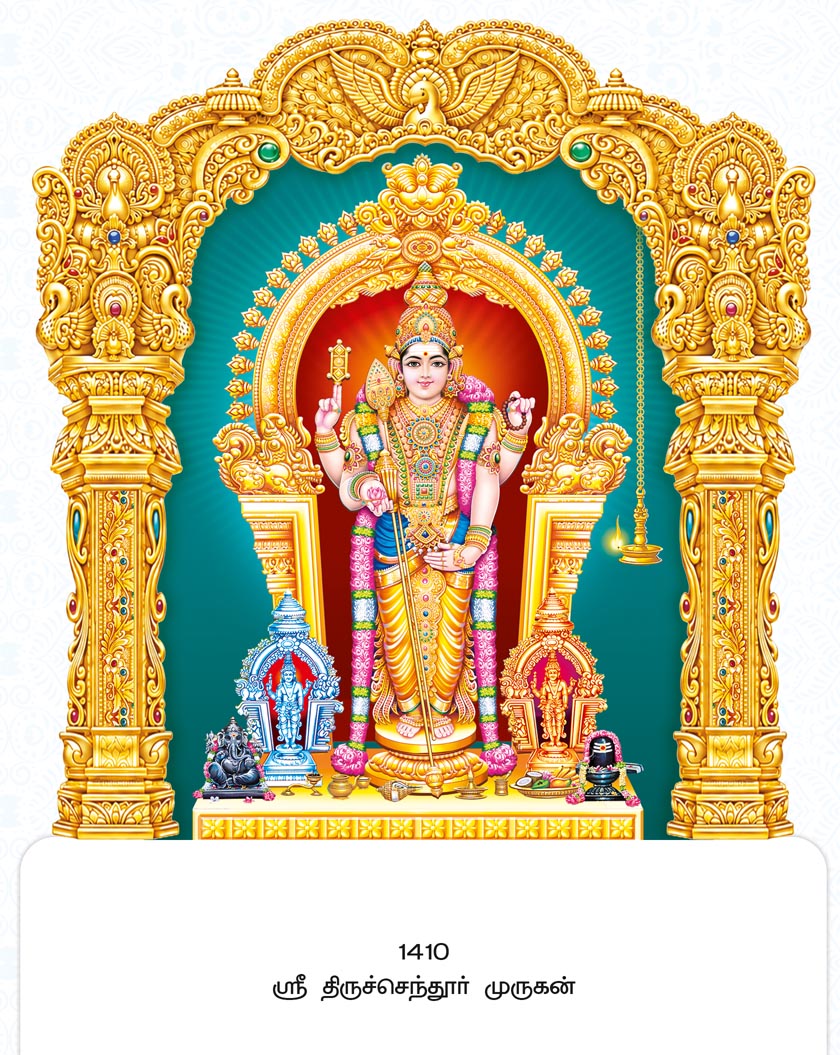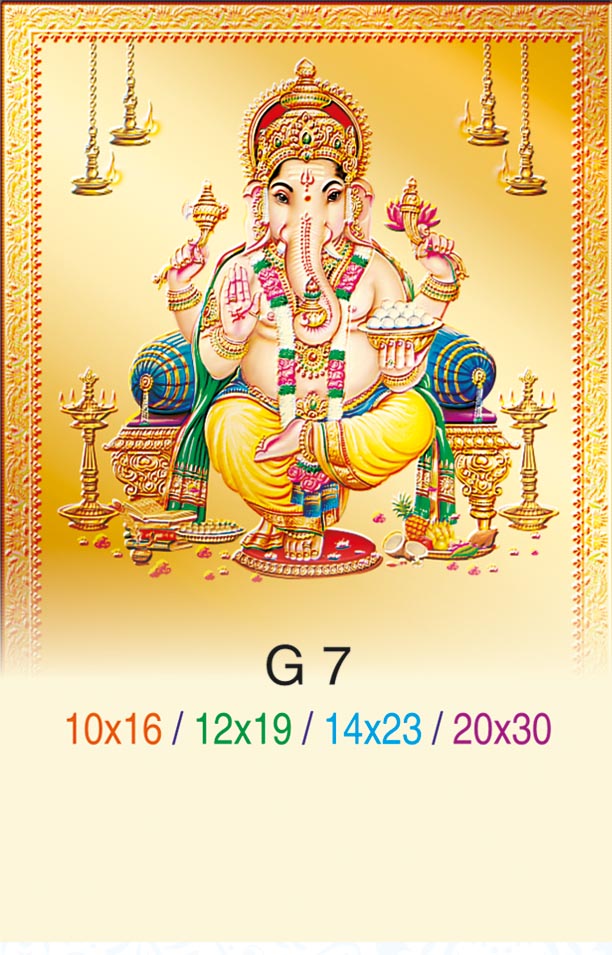
When you order a few thousand calendars, they are almost certainly printed by offset printing — the workhorse of commercial printing for more than a century. Understanding how it works helps explain why calendars look the way they do, and why ordering in bulk brings the price per piece down.
The idea behind offset: oil and water don’t mix
Offset printing is a form of lithography. The printing plate is flat, but it is treated so that the image areas attract oily ink and the non-image areas attract water. On the press, the plate is dampened and inked at the same time: ink sticks only to the image, water keeps the rest clean.
Why it is called “offset”
The inked plate does not touch the paper. Instead, it transfers — or offsets — the image onto a rubber blanket cylinder, and the blanket presses it onto the sheet. The soft blanket reaches into the texture of the paper or board, which is why offset gives such clean, even results.
Four inks, every colour
A full-colour calendar picture is printed with four process inks: cyan, magenta, yellow and black — CMYK. Each colour has its own plate and its own printing unit. The sheet passes through each unit in turn, and the four layers of tiny dots combine to make every shade you see — the gold of a crown, the blue of a sky, the red of a silk saree.
Getting the four colours to land precisely on top of each other is called registration. Good registration is what makes a picture sharp; poor registration leaves colour fringes around the edges.
From file to plate: pre-press
Before anything is printed, the artwork is prepared, colour-separated into the four plates and imposed so that as many calendars as possible fit on each sheet. Modern presses use computer-to-plate (CTP) systems that expose the plate directly from the digital file, for sharper dots and faster turnaround.
Sheet-fed presses for calendars
Calendars are printed on sheet-fed offset presses, which print individual sheets rather than a continuous roll. Sheet-fed presses handle the thicker art papers and boards calendars need and give tight control over colour. Larger presses take larger sheets — essential for big calendar sizes (see Big sizes, bulk volumes).
Why offset is right for bulk orders
- Cost falls with quantity. Once the plates are made and the press is set up, each extra sheet costs very little — which is why bulk calendar orders are so economical.
- Consistent quality. The first and the ten-thousandth sheet come out the same.
- Rich colour on board and art paper. Offset handles the materials calendars are made from.
After the press: finishing
Printing is only the start. The sheets then go for lamination, fancy cutting, foil, gold emboss or UV glitter effects, mounting and date pads. Our guide to calendar finishes explains each one, and How a daily calendar is made follows the whole journey.
Printed by offset printers
Senthaamarai Press describes itself as both a daily calendar manufacturer and an offset printer — the printing, and the calendars made from it, come from the same house. See the full Lotus range on the price list.